
Sound is a critical element of both Heart of the Ocean and Seven Sisters in Matriclysm. The speakers from Meyer Sound are the perfect finishing touch to bring my artistic vision to life.”
JewelVisual Artist and Singer-Songwriter
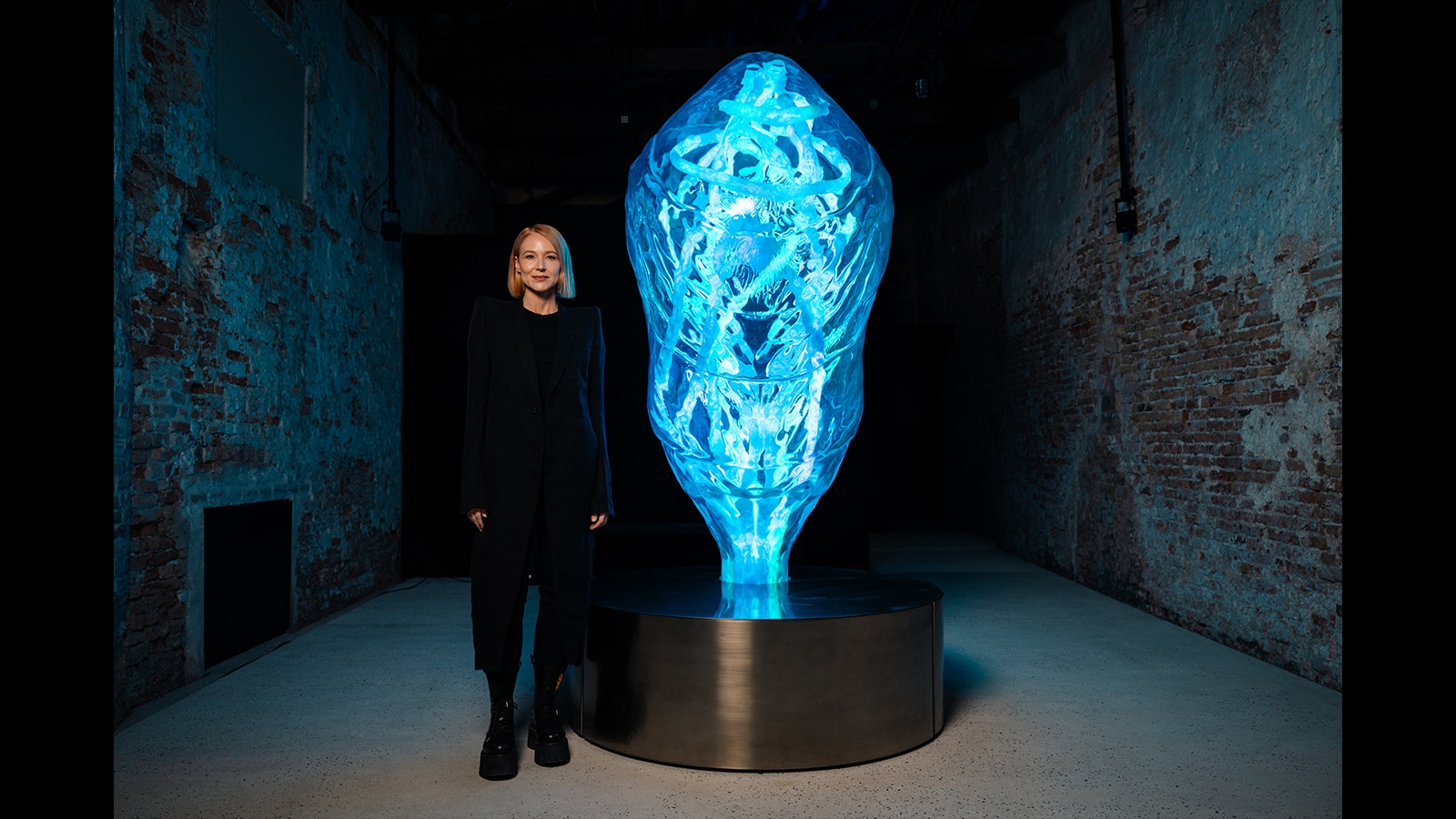
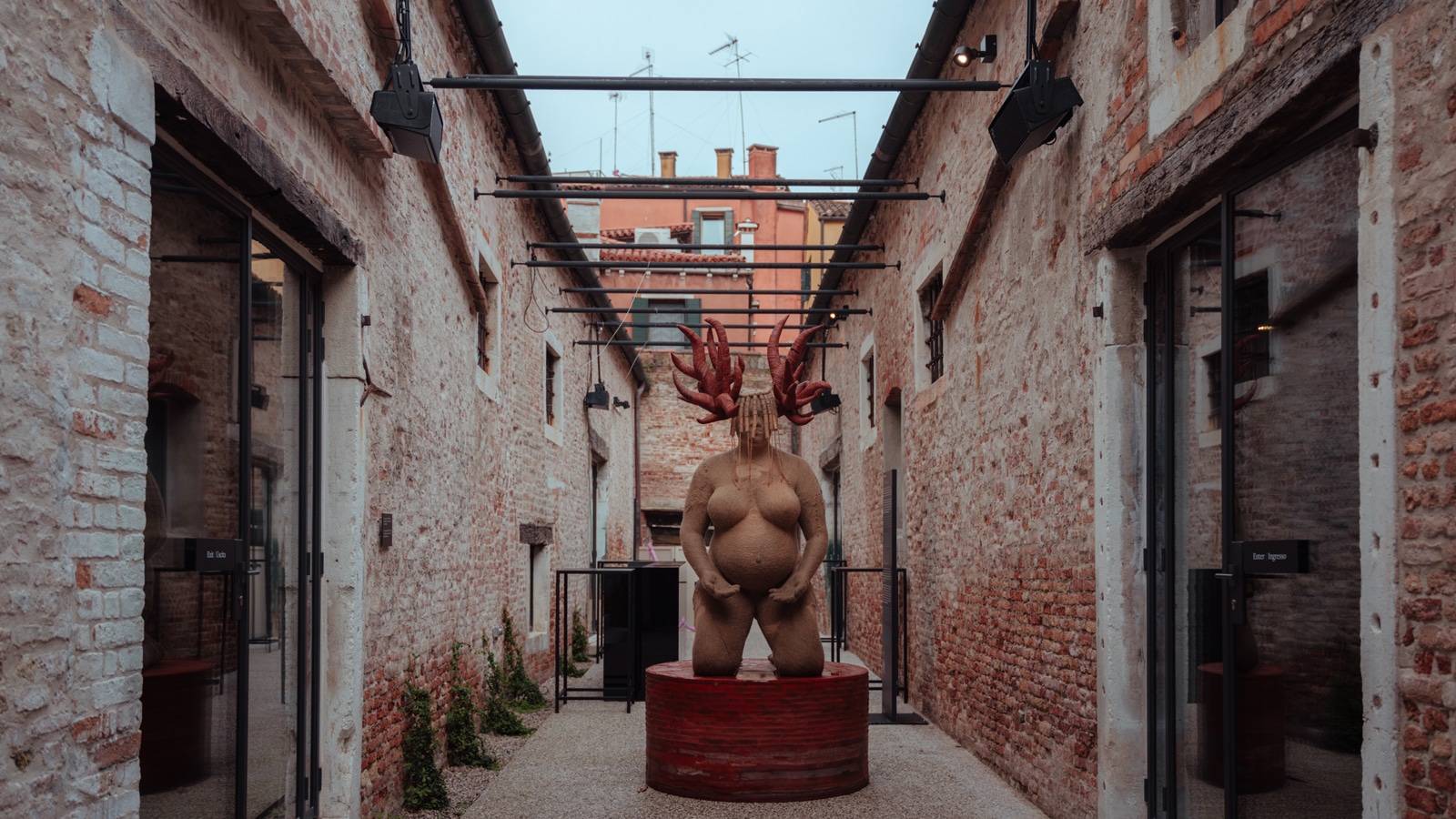
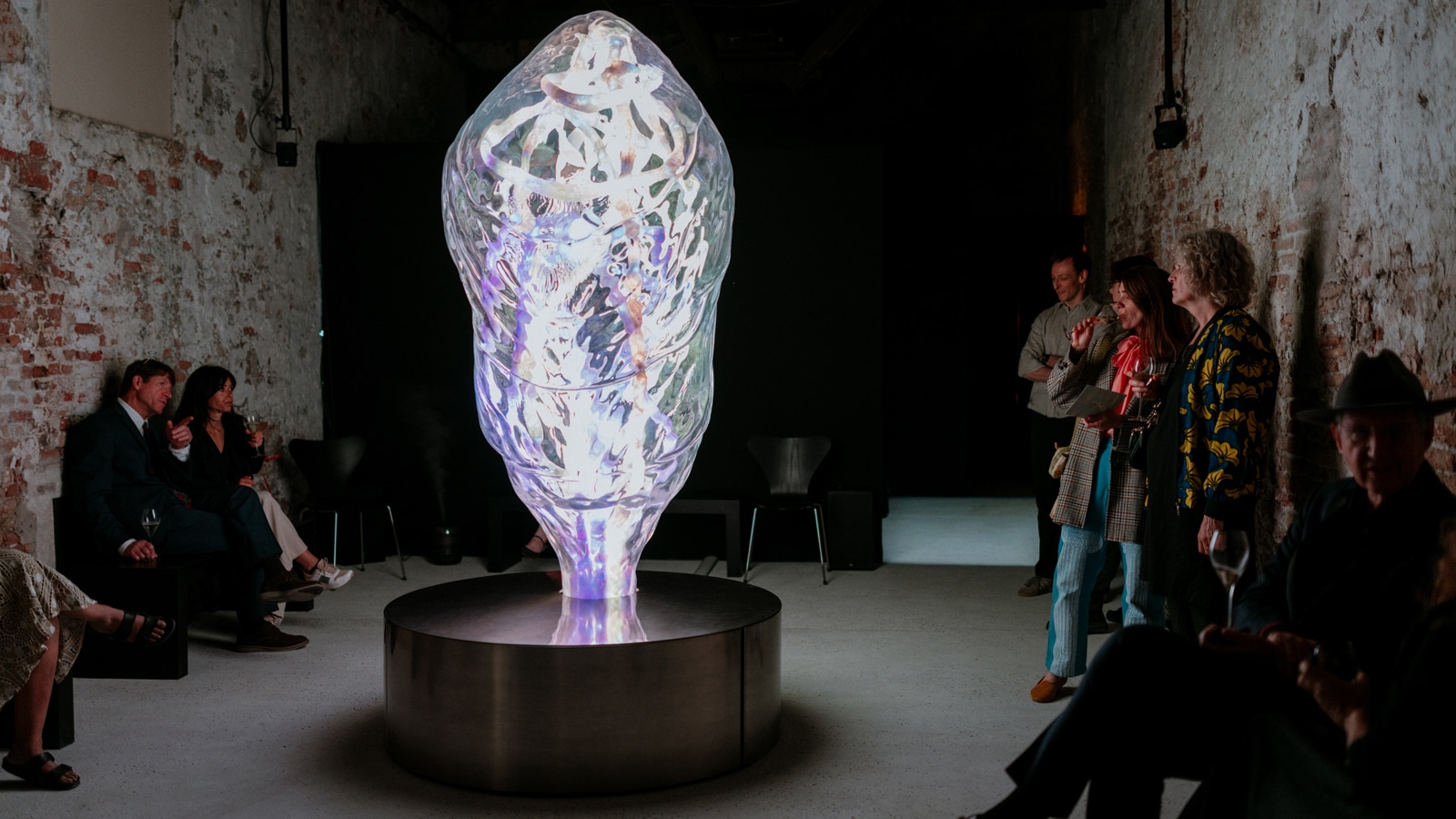
When visitors enter Matriclysm: An Archaeology of Connections Lost, a multidisciplinary exhibition by visual artist and singer-songwriter Jewel at Salone Verde in Venice, Italy, they move through a series of galleries. In one of them stands Heart of the Ocean, an eight-foot resin and steel sculpture featuring 60,000 LEDs that turn live sea data into a 12-minute loop of an ever-evolving immersive soundscape, delivered by Meyer Sound loudspeakers. In another, Meyer Sound loudspeakers create a hypnotic sonic environment reflecting the data from the Pleiades constellation.
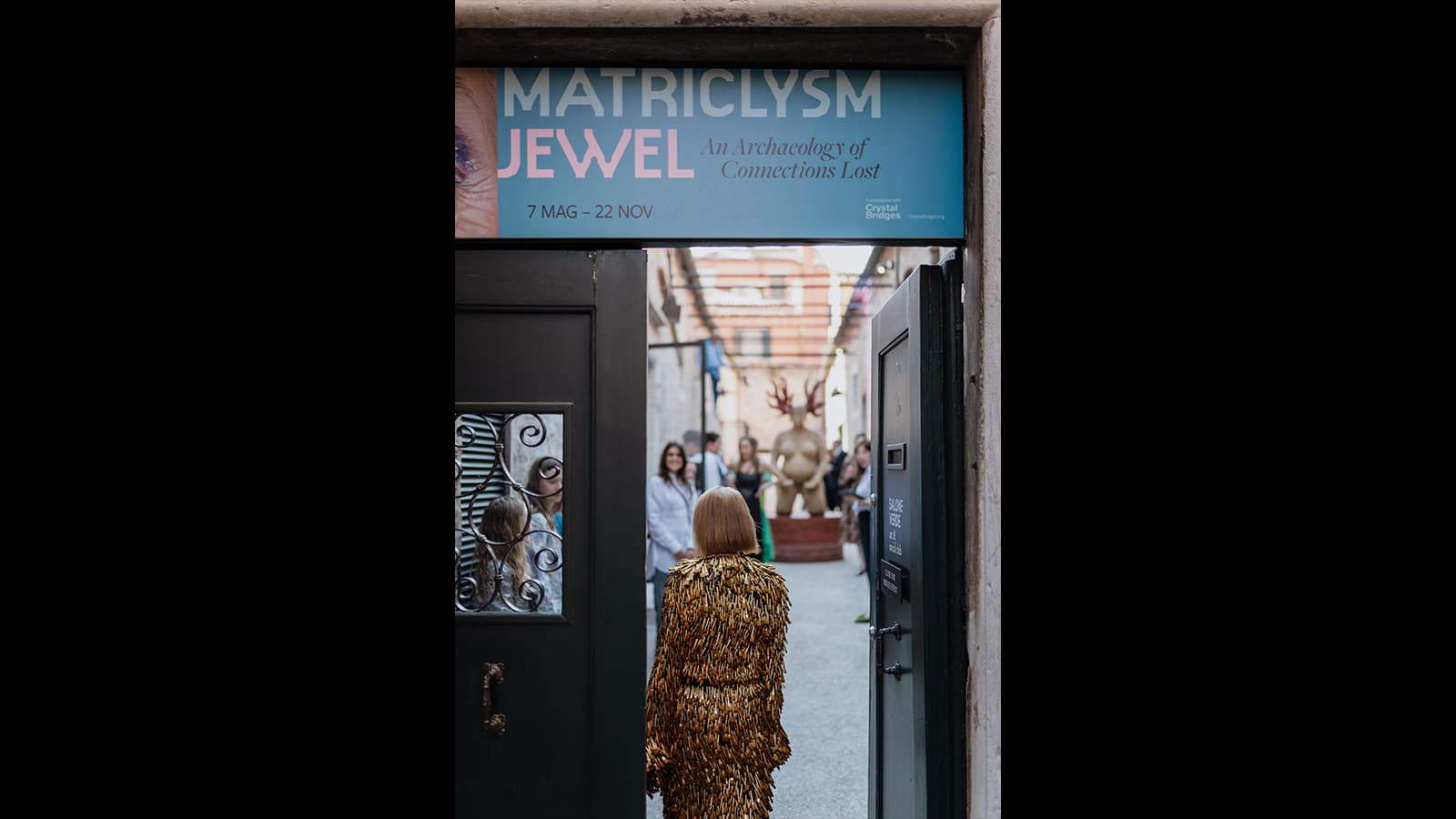
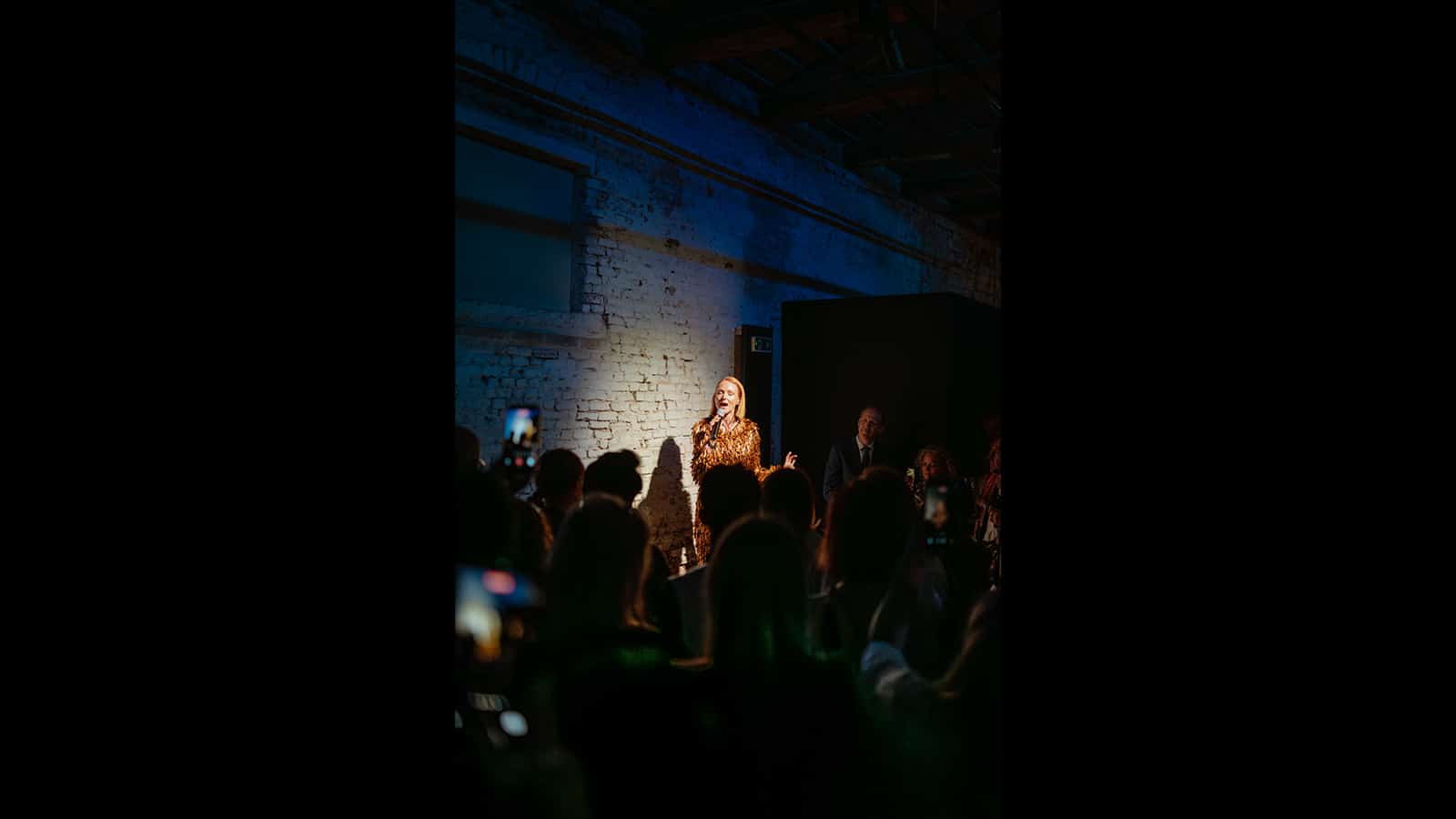
Organized in association with Crystal Bridges Museum of American Art, Matriclysm is the largest presentation of Jewel’s visual art practice to date, encompassing painting, sculpture, tapestry, installation, and sound. The exhibition opened May 7 and runs through November 22, 2026, concurrently with the Venice Biennale, with more than 800,000 visitors expected.
“Sound is a critical element of both Heart of the Ocean and Seven Sisters in Matriclysm,” says Jewel. “The speakers from Meyer Sound are the perfect finishing touch to bring my artistic vision to life. The soundtrack is designed to subtly impact the states of human brainwaves in a technique I have termed ‘neuro-ceutical.’ By superimposing a rhythmic layer of sound and music that, quite literally, translates electromagnetic cosmic signals and real-time oceanic data to mind-altering brainwaves, I hope the show might help remind us how it feels to be in harmony, and in community, inviting us to unearth sensibilities and ways of being that reconnect us to ourselves, each other, and the world around us.”
Heart of the Ocean is one of three primary sculptural anchors in the show. Its sinuous form recalls a bodily organ, a chrysalis, or a three-dimensional abstraction of Botticelli’s Birth of Venus. Jewel developed the soundscape in collaboration with Chelle Gentemann of NASA and Greg Niemeyer of UC Berkeley, building a library of tones and sounds drawn from open-source data tracking Atlantic Ocean conditions—wave height, precipitation, salinity, currents, seismicity, and wildlife. The composition descends through the ocean layers as temperatures drop, then quickens and ascends back to the surface. Cloud cover and current data drive how sound moves through the space, creating a shifting three-dimensional experience.
The composition moves through four distinct ocean layers over 12 minutes—from the wind-driven surface, where real-time NOAA feeds track waves, temperature, and cloud cover, down through the wind mix layer and midnight layer into the deep abyss, where modeled seismic data shapes the sonic floor, before ascending again. The sounds of a heartbeat and breaths provide a rhythmic foundation, but everything else shifts continuously with incoming data, so no two passes through the cycle are identical. “Because the ocean’s always moving and always changing, the mix is always moving and always changing—it’s not static,” says Brown. Tonality and level also follow the arc of the day, brightening in the morning hours and quieting toward evening.
The creation of the layered sound experience started with a sound palette built by producer Lester Mendez, who gave the elements to Warren Brown, a Los Angeles-based film score mixer. Brown and Jewel used the elements to create the presentation, intricately overlapping the sounds to create an immersive, ever-changing soundscape.
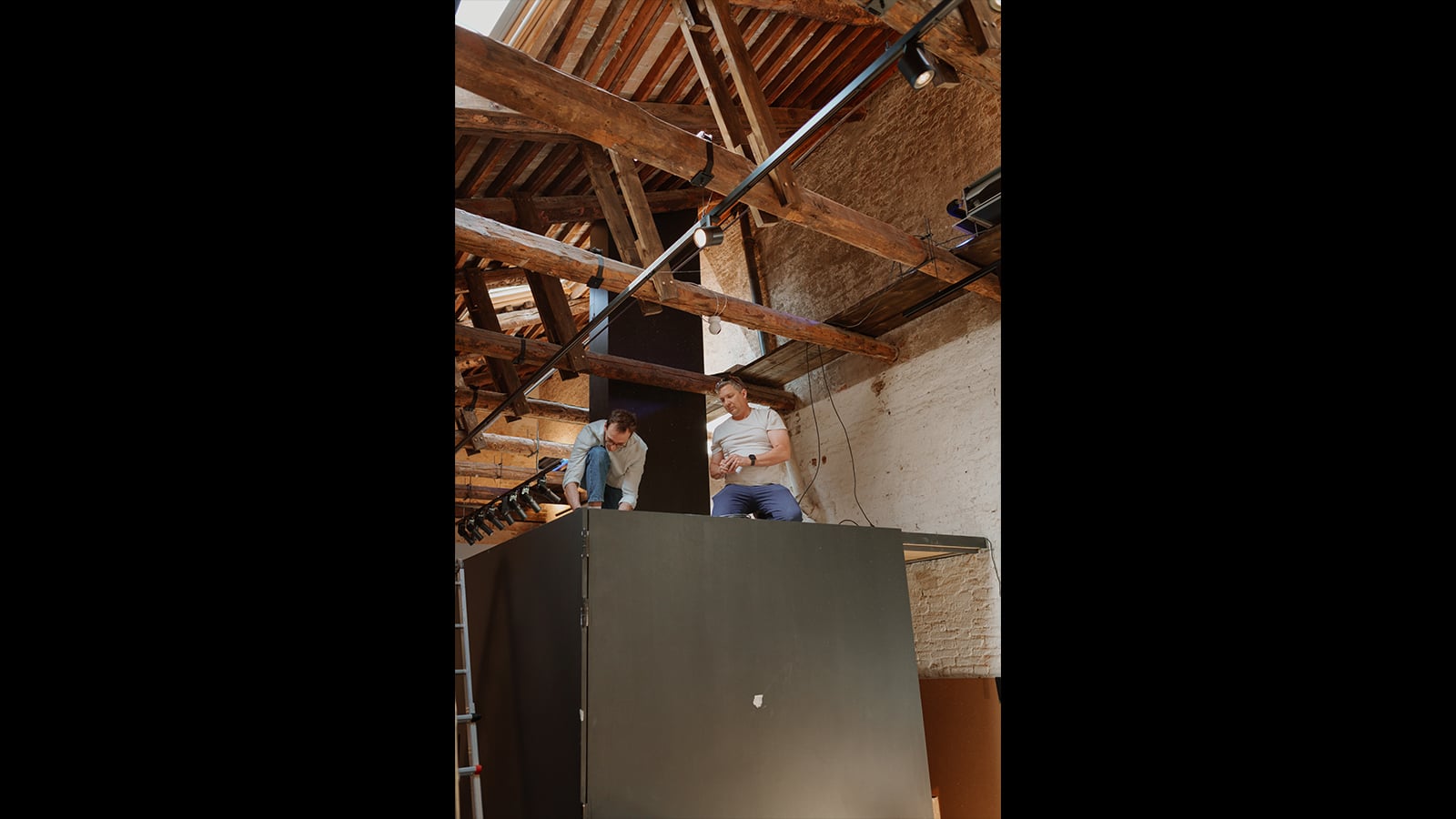
“She wanted a big theatrical feel to her installations,” Brown explains. Translating that ambition to a gallery scale meant building what he describes as a dual quadraphonic system: four loudspeakers positioned at roughly standing ear height with four more elevated to create a dome effect above. The result is a room-filling experience in which sound surrounds the sculpture rather than emanating from it, placing visitors inside the ocean environment.
Jewel was specific about one thing: None of the sounds could be literal. For example, one parameter tracked dolphin movement, but the sound assigned to it couldn’t be a dolphin call. “It has to sound created and different,” says Brown, “but it has to evoke the feelings of this world.”
The sound system for Heart of the Ocean comprises eight MM‑4XP point sources and four MM‑10XP subwoofers, processed and managed through a Galileo GALAXY Network Platform. “In the Meyer Sound world, I always think of a stadium or a big concert; this is a much smaller scale, much more intimate,” Brown says. “Here, you get a really good sense of direction without a lot of speakers.”
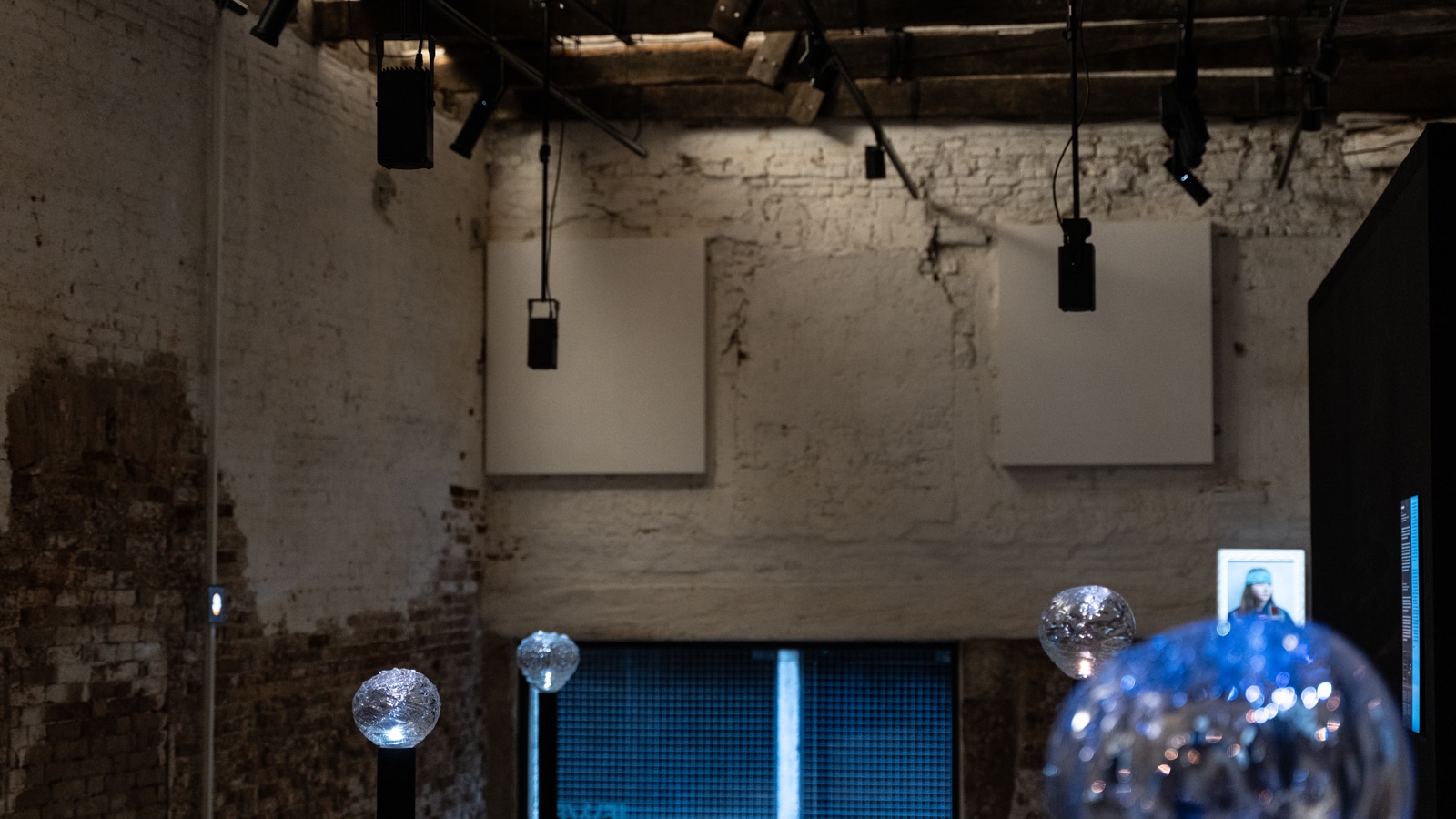
The data-to-sound approach extends to Seven Sisters, a companion installation featuring seven hand-blown glass orbs made by Jewel at the Toledo Museum of Art representing the Pleiades constellation, accompanied by an overhead array of MM‑4XPD cardioid point sources that converts data from the stars into sound.
Brown says both data-driven sculptures illustrate how well the Meyer Sound systems perform in the gallery environment. “They’re really small and really powerful. You don’t need a lot of speakers to fill the room.”