| Part Number | 40.338.200.01 |

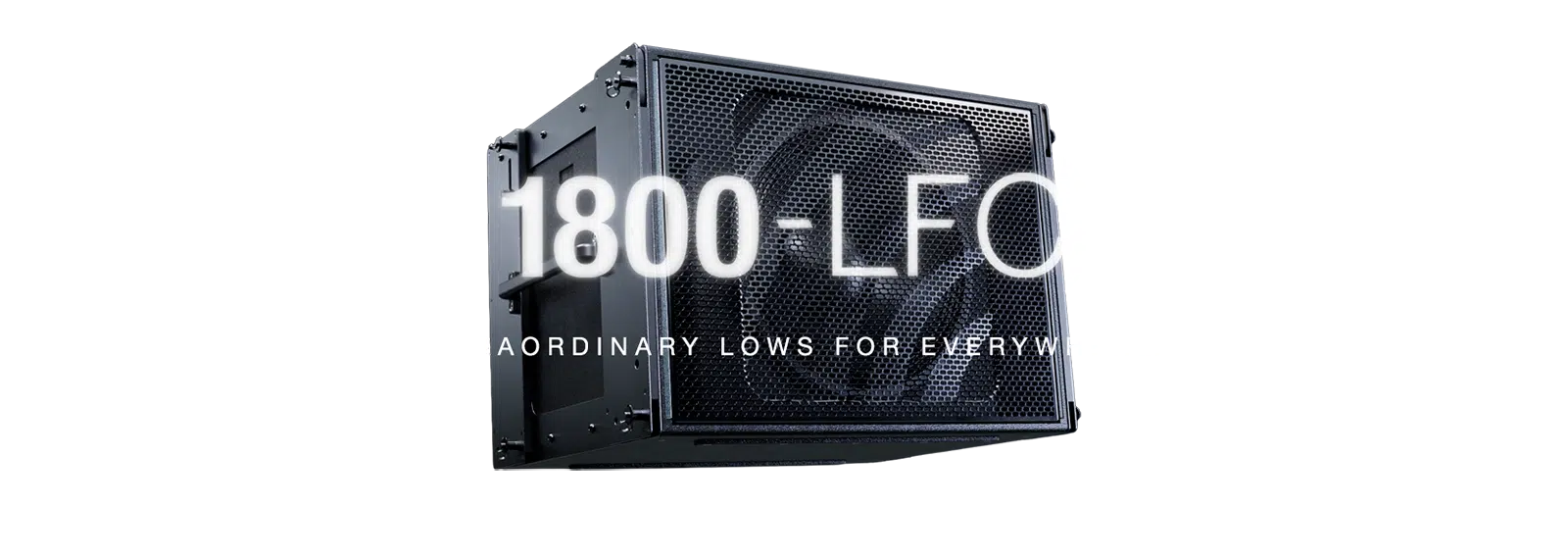
The 1800‑LFC delivers deep, controlled bass with the authority of Meyer Sound’s largest systems, built for a wider range of venues, faster deployment and greater flexibility.
This is low frequency power that knows when to push. And when to stay out of the way.
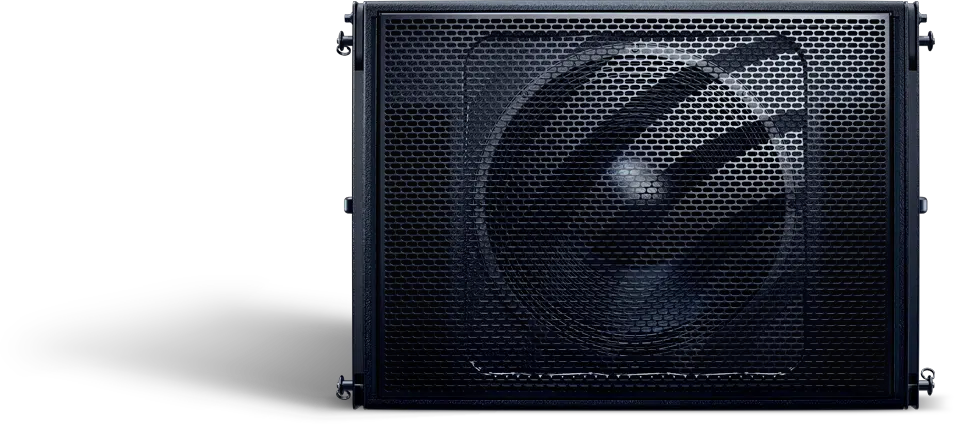


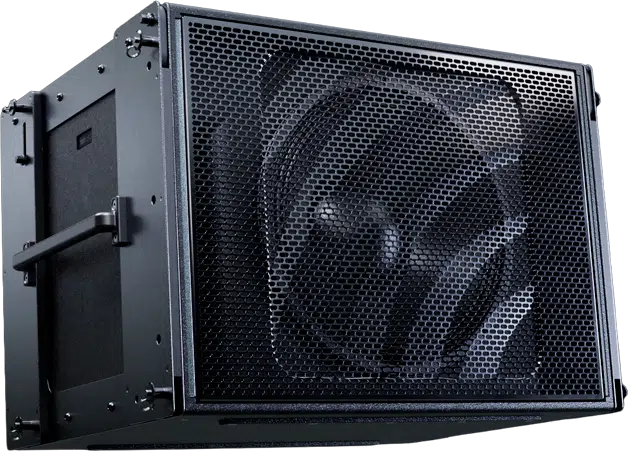
Engineered to deliver impact without excess, the 1800‑LFC takes the performance DNA of the 2100‑LFC into a more streamlined, versatile form. It provides weight, clarity and consistency, without demanding touring-scale infrastructure.
From theaters and symphony halls to arenas, houses of worship and multi-use spaces, the 1800‑LFC creates a solid foundation that feels natural, not overbearing.
Some spaces need subtle reinforcement. Others need real punch. One subwoofer. Many roles. Fewer limitations.
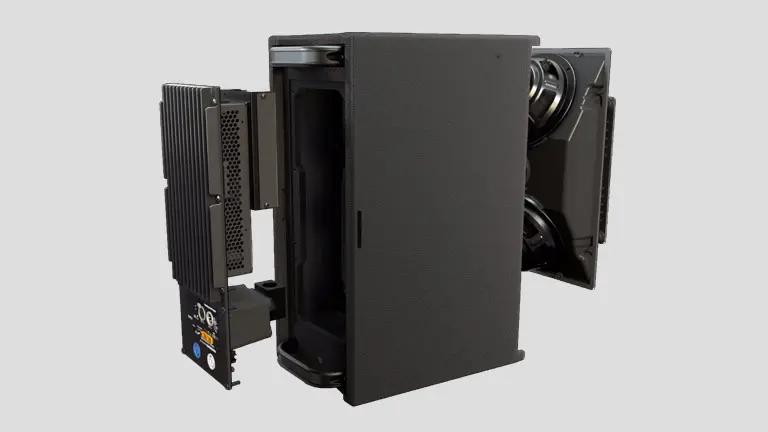
With powerful low-frequency output with exceptional clarity and precision, its self-powered design ensures the amplifiers and drivers are perfectly matched to deliver clean, consistent bass time after time.

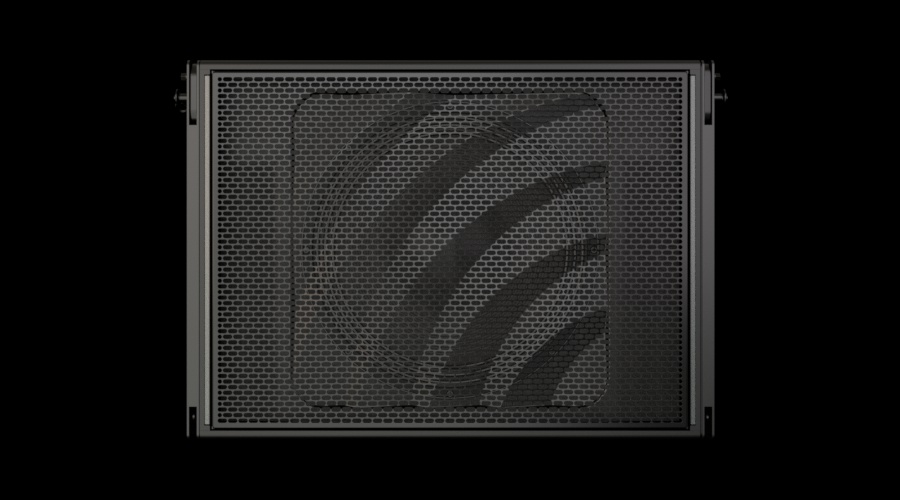


The 1800‑LFC offers high output in a streamlined footprint that’s easier to transport, deploy, and scale. Faster load-ins. Fewer compromises. More shows covered with the same inventory.
It’s a subwoofer that earns its keep. Over and over again.
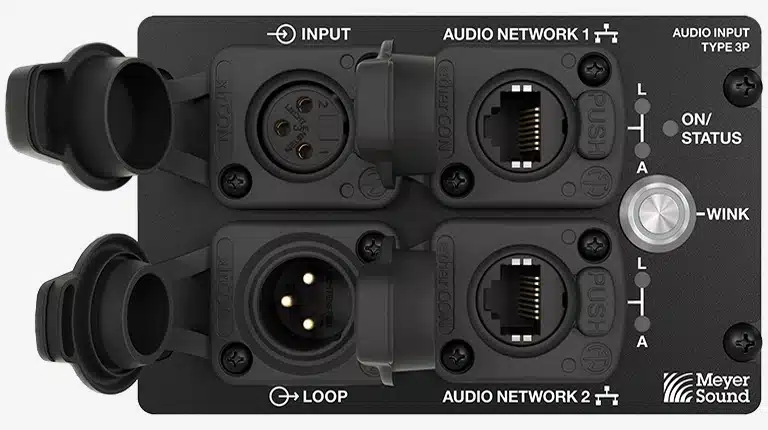
Equipped with Meyer Sound’s new GEN‑1 input module, the 1800‑LFC has built-in digital signal processing and networked audio capability, so tuning happens right at the loudspeaker, with no external processing required.
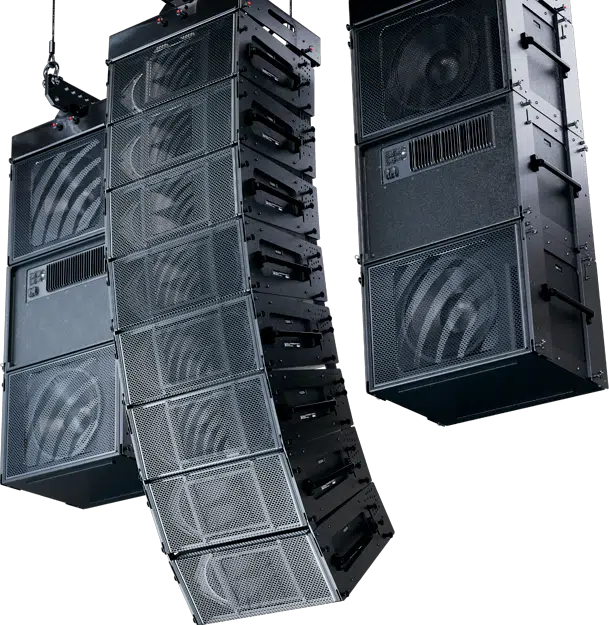
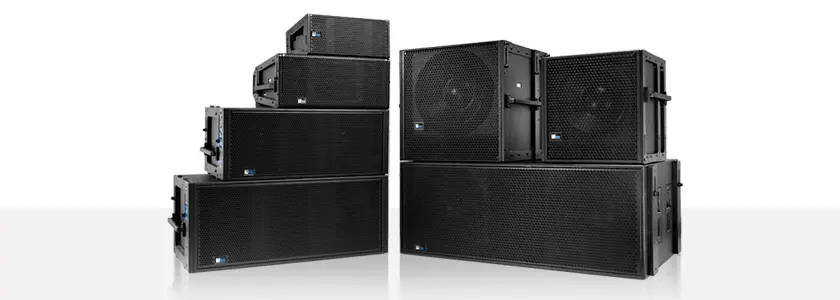
The 1800‑LFC fits seamlessly into the Meyer Sound ecosystem including the ULTRA family. It pairs naturally with TIGRA, is powerful enough to complement PANTHER systems, and integrates easily into existing inventories.
Scale it up. Scale it down. Use it where it makes the most sense when space is at a premium. This is the low end built for the long run.
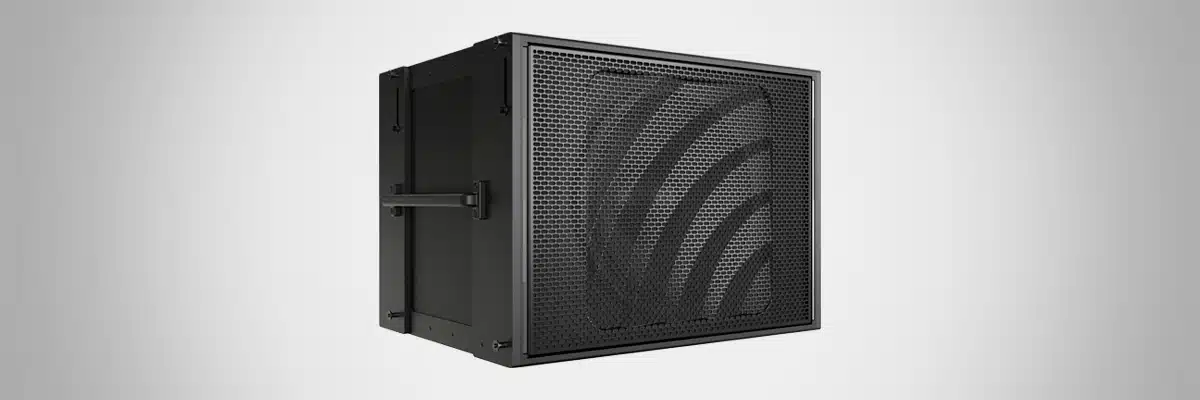
Designed for precision in every application, the 1800-LFC maintains stable frequency and phase response through its 30 Hz to 125 Hz operating range. The self-powered advantage means transducers and amplifiers are tightly integrated into a system which outperforms larger, heavier competitors.
The 1800-LFC delivers deep, articulate low-frequency sound with a latest-generation 18-inch driver. With a 134 dB maximum linear SPL (AES75), it delivers linear performance at any level, with the power required for impactful musical productions and clarity necessary for speech-driven environments.
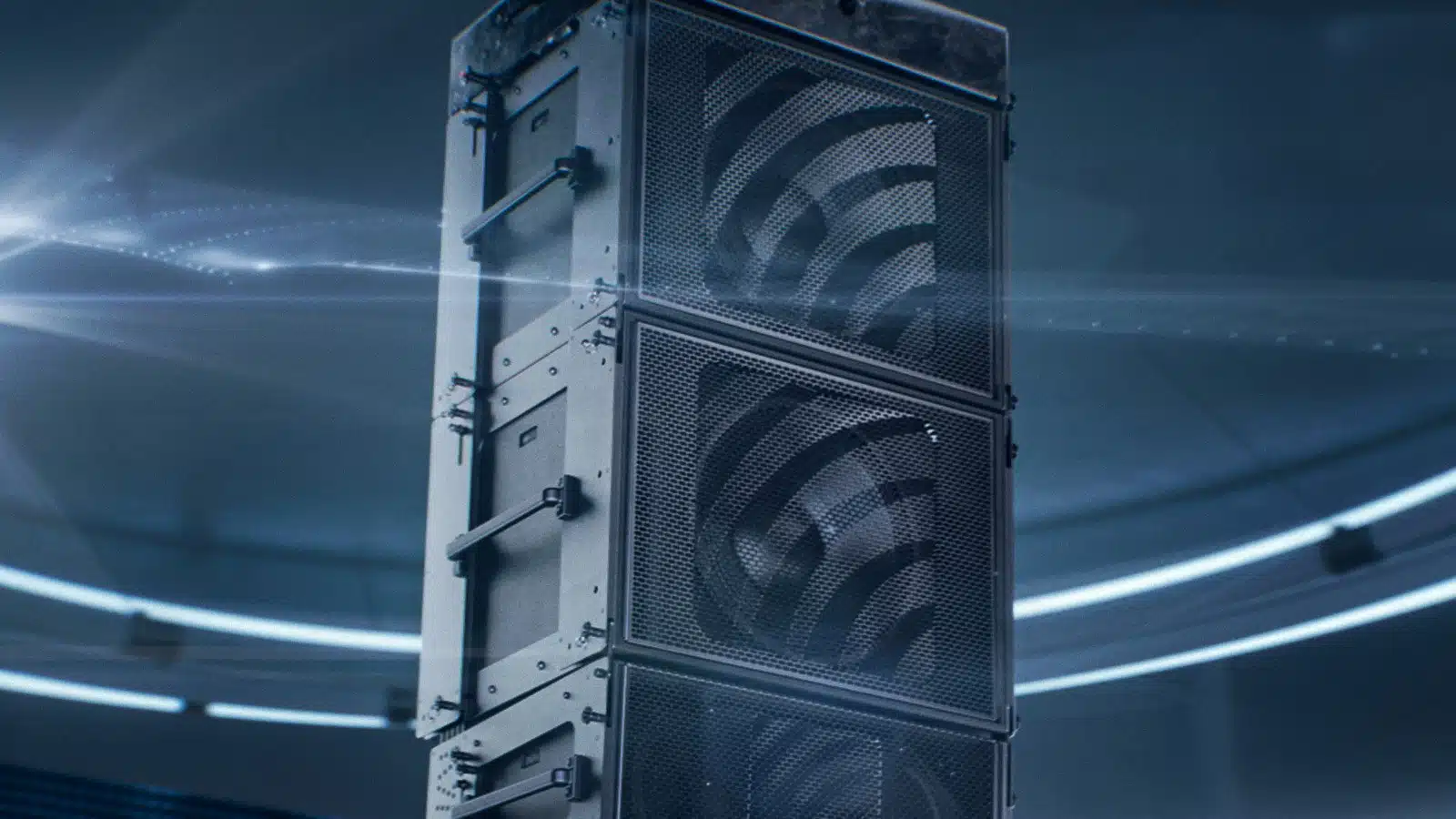
Combine multiple 1800-LFC's to create accurate low-frequency control arrays. Rely on the accuracy of MAPP 3D to design and predict coverage and count on the system’s linearity to guarantee performance remains true, even when pushed to the limits.
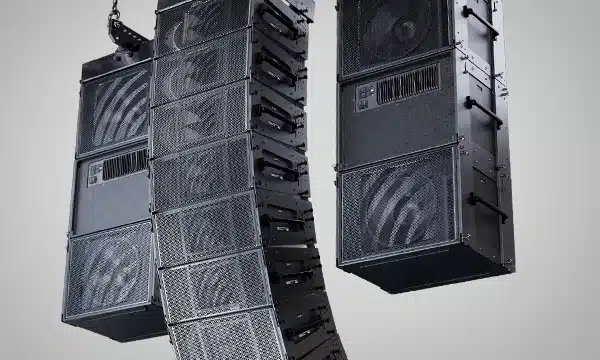
The 1800-LFC fits into spaces where footprint and weight matter. Flexible deployment options are enabled though built in M8 and M20 hardware on all models with array models allowing flown configurations and direct connection to TIGRA line arrays.
Flown or ground stacked, used as arrays or as a stand-alone powerhouse, the 1800-LFC is perfectly equipped to support line array and point source products from across the Meyer Sound product range.Engineered for connectionThe 1800-LFC is the first LFC family loudspeaker to feature GEN‑1 technology with launch, integrating Milan or AES67 networked audio and analog connectivity with Galileo GALAXY-class DSP, directly into the loudspeaker. GEN-1 reduces or eliminates the need for separate system processors. | Designed for digital workflowsThe 1800-LFC integrates smoothly into modern hybrid and fully networked environments, from simple analog deployments, through AES67 to fully redundant Milan with analog failover. Connection flexibility means the 1800-LFC can adapt to your demands. Coupled with Nebra software, calibration and monitoring of your system is easy and intuitive. | Consistency you can count onAs systems grow or adapt to new environments, the 1800-LFC’s internal processing and routing stay responsive and reliable. From simple analog deployments through AES67 to fully redundant Milan with Analog failover, the 1800-LFC can adapt to your needs. A linear performance coupled with an eight-year warranty ensure the 1800-LFC is a smart investment. |
Engineered for connectionThe 1800-LFC is the first LFC family loudspeaker to feature GEN‑1 technology with launch, integrating Milan or AES67 networked audio and analog connectivity with Galileo GALAXY-class DSP, directly into the loudspeaker. GEN-1 reduces or eliminates the need for separate system processors. | |
Designed for digital workflowsThe 1800-LFC integrates smoothly into modern hybrid and fully networked environments, from simple analog deployments, through AES67 to fully redundant Milan with analog failover. Connection flexibility means the 1800-LFC can adapt to your demands. Coupled with Nebra software, calibration and monitoring of your system is easy and intuitive. | |
Consistency you can count onAs systems grow or adapt to new environments, the 1800-LFC’s internal processing and routing stay responsive and reliable. From simple analog deployments through AES67 to fully redundant Milan with Analog failover, the 1800-LFC can adapt to your needs. A linear performance coupled with an eight-year warranty ensure the 1800-LFC is a smart investment. |
Meyer Sound has been pioneering self-powered loudspeakers for professional installations and touring since 1995. We’ve committed to self-powered systems because we know they deliver unrivaled clarity, reliable performance, value, and ease of use.
If you’ve been thinking about investing in a self-powered system, you’ve come to the right place.
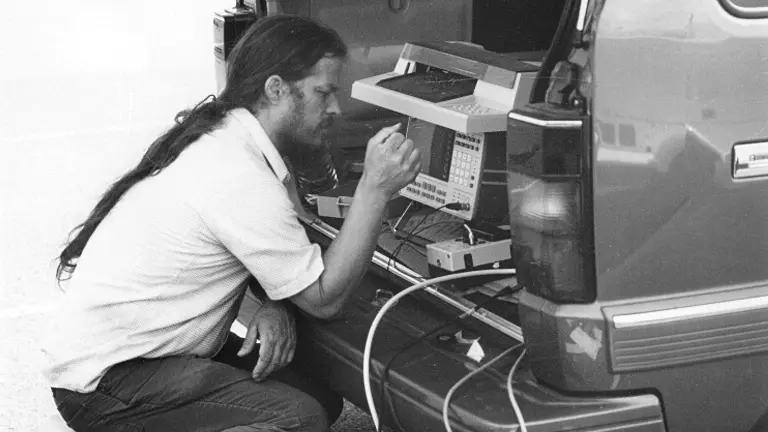
The story of self-powered loudspeakers is in many ways the story of Meyer Sound itself.
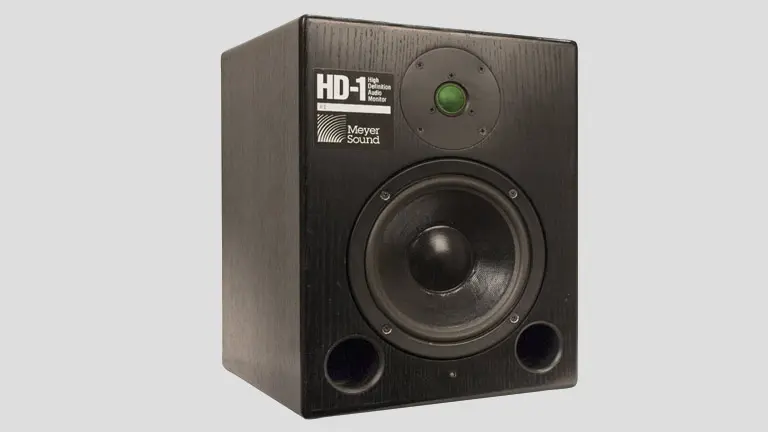
In the 1970s, sound reinforcement technology was inconsistent science at best, and at worst, led to show-ending failures. A young John Meyer, designing loudspeakers for San Francisco’s McCune Sound Service, wanted to bring quality and reliability to sound systems, and he knew the answer lay in self-powered loudspeakers. In 1979 Meyer founded his own speaker company; early Meyer Sound innovations include the iconic HD-1 self-powered studio monitor launched in 1989.
Today Meyer Sound offers a full range of self-powered sound reinforcement products. Meyer Sound systems can be found on tour with artists ranging from Ed Sheeran to Metallica, on Broadway and London’s West End, and in performance venues from the San Francisco Opera to the Vienna Philharmonic not to mention sports stadiums, cruise ships, and houses of worship around the world.
Self-powered loudspeakers offer several advantages over their passive counterparts when it comes to fidelity, reliability, and simplicity. The great part is, you’ll start to reap the benefits of a self-powered system before you even power up.
Ease of deployment: System set-up is so much easier when you have fewer components and fewer cables to worry about being miswired. Since self-powered loudspeakers incorporate amplification, you’ll never have to deal with matching speakers to amplifiers or connecting components. You don’t have to worry about calibration of gain and crossover setting which means more time focusing on the show. Eliminating amp racks doesn’t just streamline system deployment, it streamlines your inventory whether you’re a rental house or a road warrior. And when you consider that the average amp rack weighs nearly 300 pounds and takes up four feet of truck space, the efficiencies get even clearer. Let alone when you want to fly the amplifier racks to get closer to the speakers, often requiring more rigging points and more motors.
Predictable, reliable operation: Internal amplification is closely matched to drivers. Because individual components have been optimized during manufacturing, you can expect consistent sound from show to show. Built-in, factory-optimized protection circuitry provides extra assurance without degrading signal quality. And, when you have less equipment, you have less risk of failure.
Better frequency and phase response: Because self-powered loudspeakers incorporate sophisticated processing, they are calibrated to exhibit optimal response curves in key performance parameters. Active crossovers are more precise, sophisticated designs, and bi-amped systems are time aligned, eliminating phase issues. The result? Accurate sound throughout the speaker’s range, at any volume level.
Unparalleled clarity: In powered monitors, internal amplifiers are precision-matched to drivers, delivering optimal power at all times for cleaner sound. And because amps are built into loudspeaker cabinets, there’s no need for long lengths of connecting cable, which can become prone to distortion and signal loss.
Tighter transients: Since self-powered loudspeakers have very short internal cables, amps inside can more effectively dampen driver mechanical motion, which leads to better sonic accuracy and tighter, crisper transients. (And, there’s none of the loss in levels and signal quality inherent over long cable distances.)
Certified Safe: Nothing matters more than the safety of your staff and customers. Because self-powered loudspeakers incorporate amplification, they must undergo rigorous testing by Underwriters Laboratories and other international organizations to ensure they operate safely and guard against the risk of fire, electric shock, and inadequate structural design. Enjoy peace of mind knowing Meyer Sound powered products are certified by FCC, UL, CSA, CE, and CEE the most stringent agencies in the business.
What about passive loudspeakers? At first glance, passive systems may seem like a bargain. But we already know that passive systems require more components and accessories than powered systems. Sonically, they exhibit potential for signal loss over distances, and it is very hard to ensure consistent, optimal sound and volume as amplifiers have many variables to consider when being matched to loudspeakers, such as cable lengths and gauge as well as the number of speakers connected to the amplifier.
Passive systems are often touted as easy to service. But because powered loudspeakers are so complex to design and build, self-powered loudspeakers usually represent the top innovations from leading manufacturers. Better quality translates to better reliability, which means fewer maintenance issues in the long run.
At face value, passive systems might seem less expensive and easier to maintain. But once you start adding in amps, cables, and other components not to mention increased transport and labor costs you’ll find that those savings just don’t add up to a better value.
Once you recognize all of the advantages inherent in self-powered loudspeaker systems, it’s easy to understand why the world’s top venues and productions rely on them to deliver consistently stunning sound.

| Part Number | 40.338.200.01 |
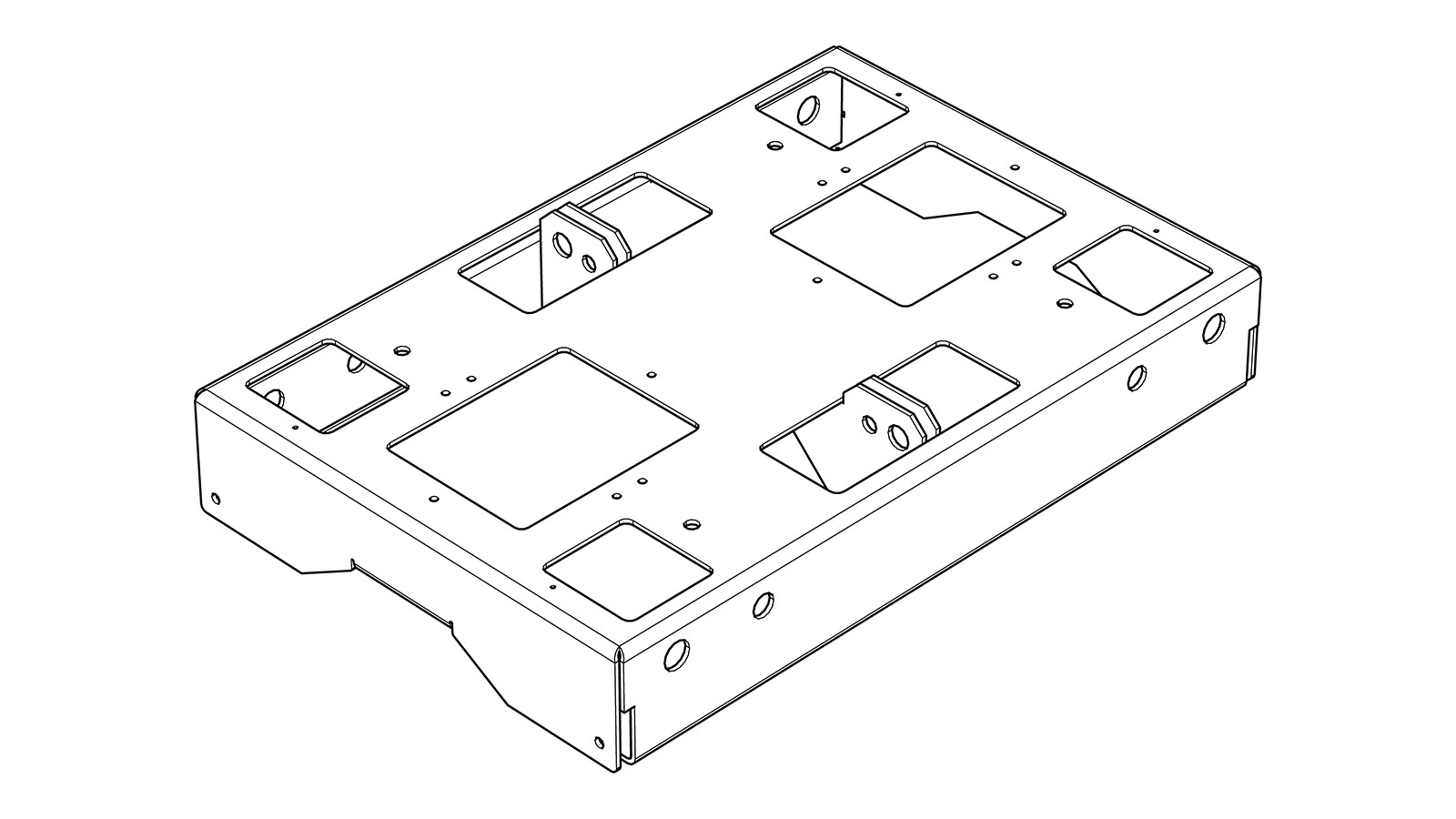
| Part Number | 40.336.401.01 |
| Part Number | 79.338.111.01 |
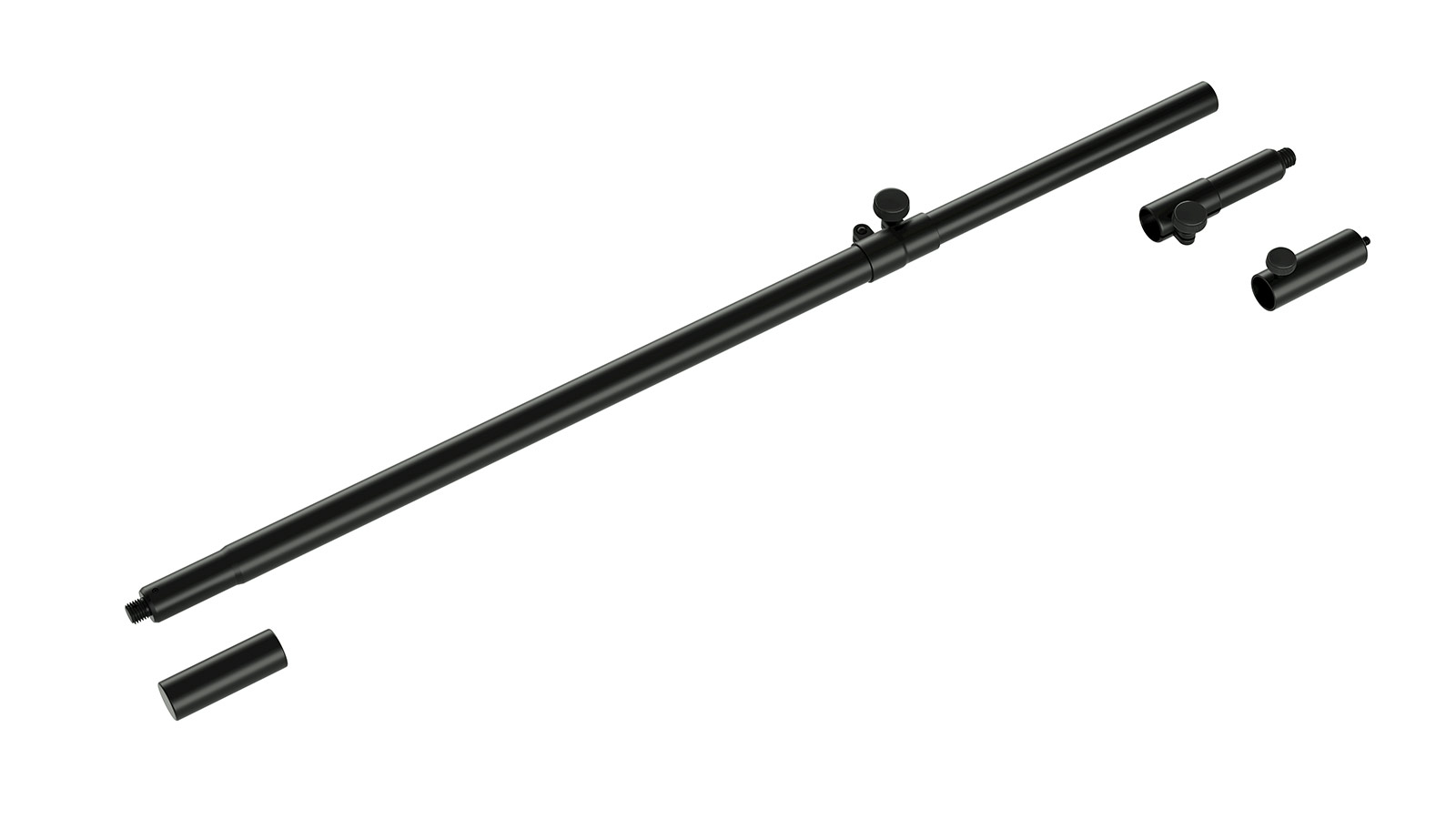
| Part Number | 40.010.973.01 |
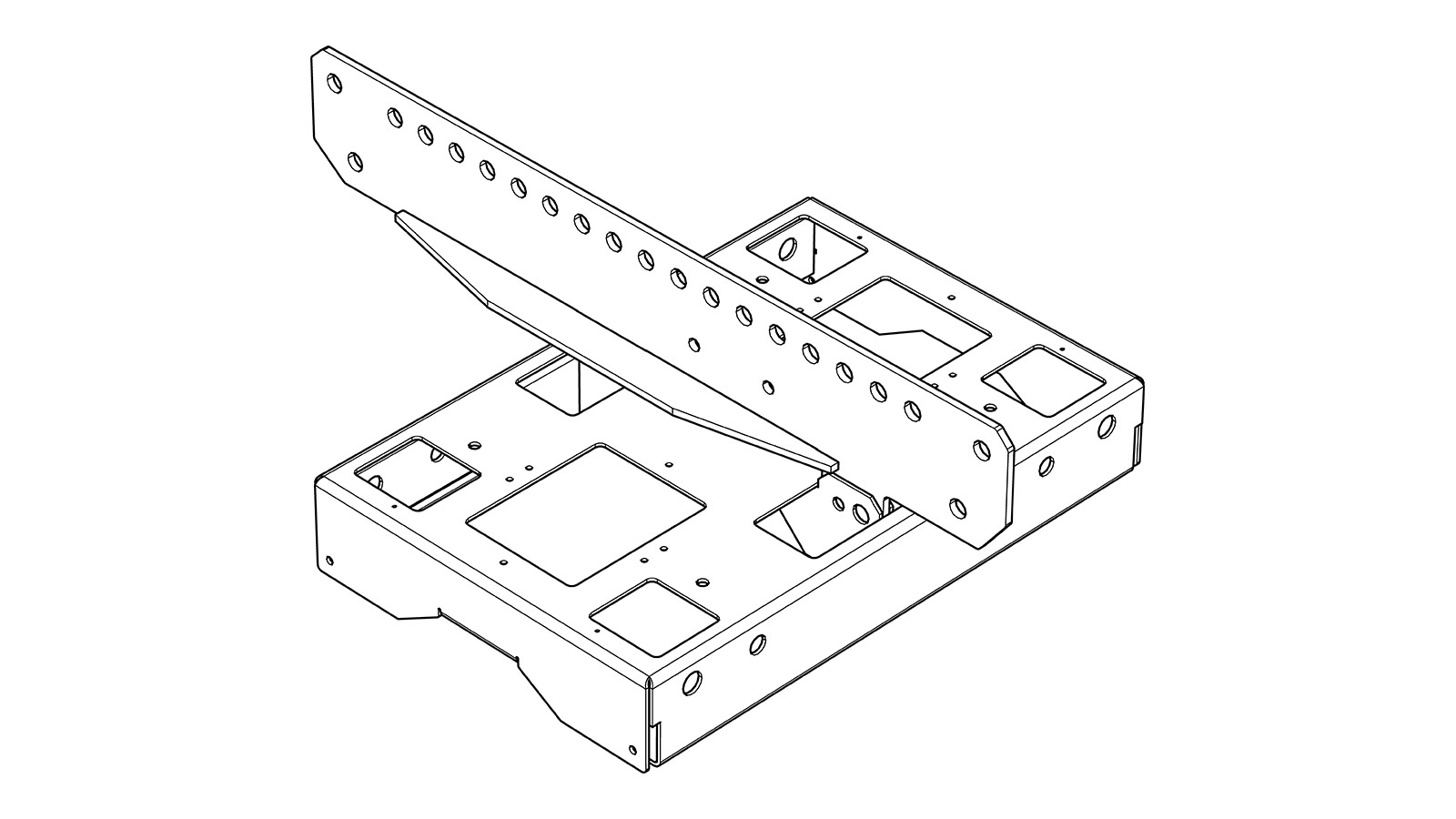
| Part Number | 40.336.400.01 |
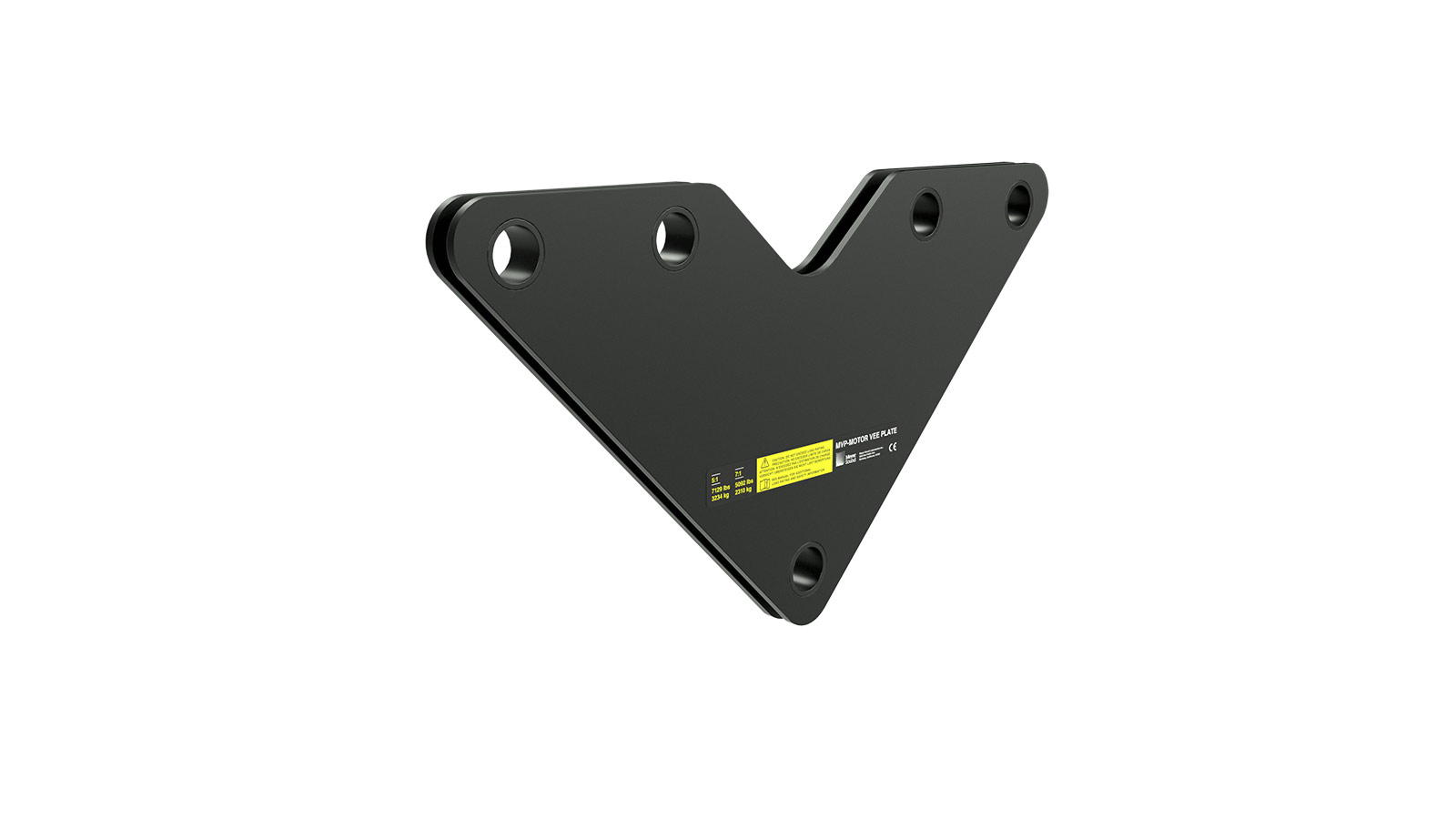
| Part Number | 40.215.184.01 |
| Self-Weight | 20 lbs / 9.07 kg |