
Based on Meyer Sound’s track record and our experience working with them on products under development, we didn’t necessarily need to hear it before we could see it on the project.”
Nicholas CorreaAssociate Director, Charcoalblue
Featured Products
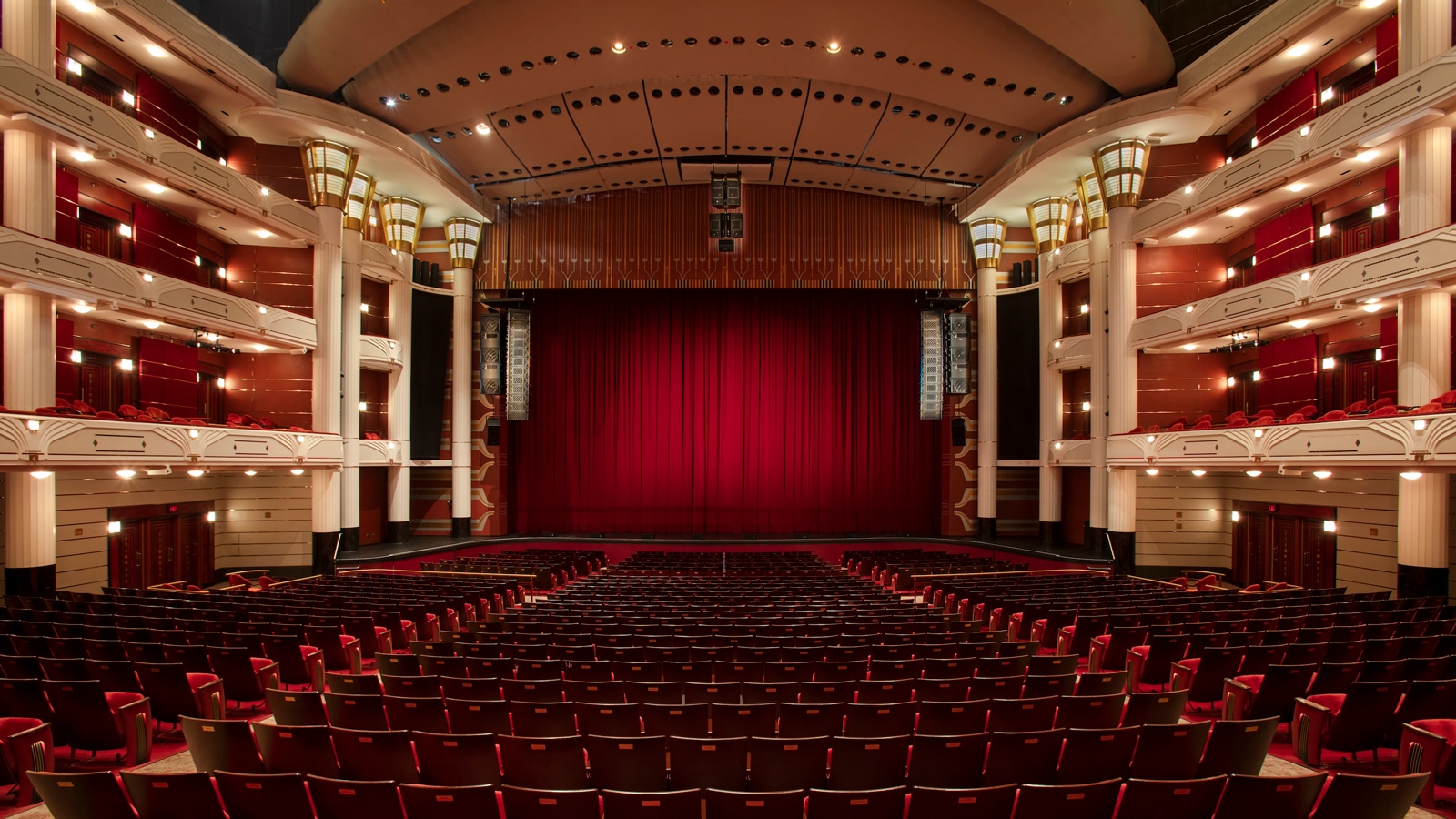
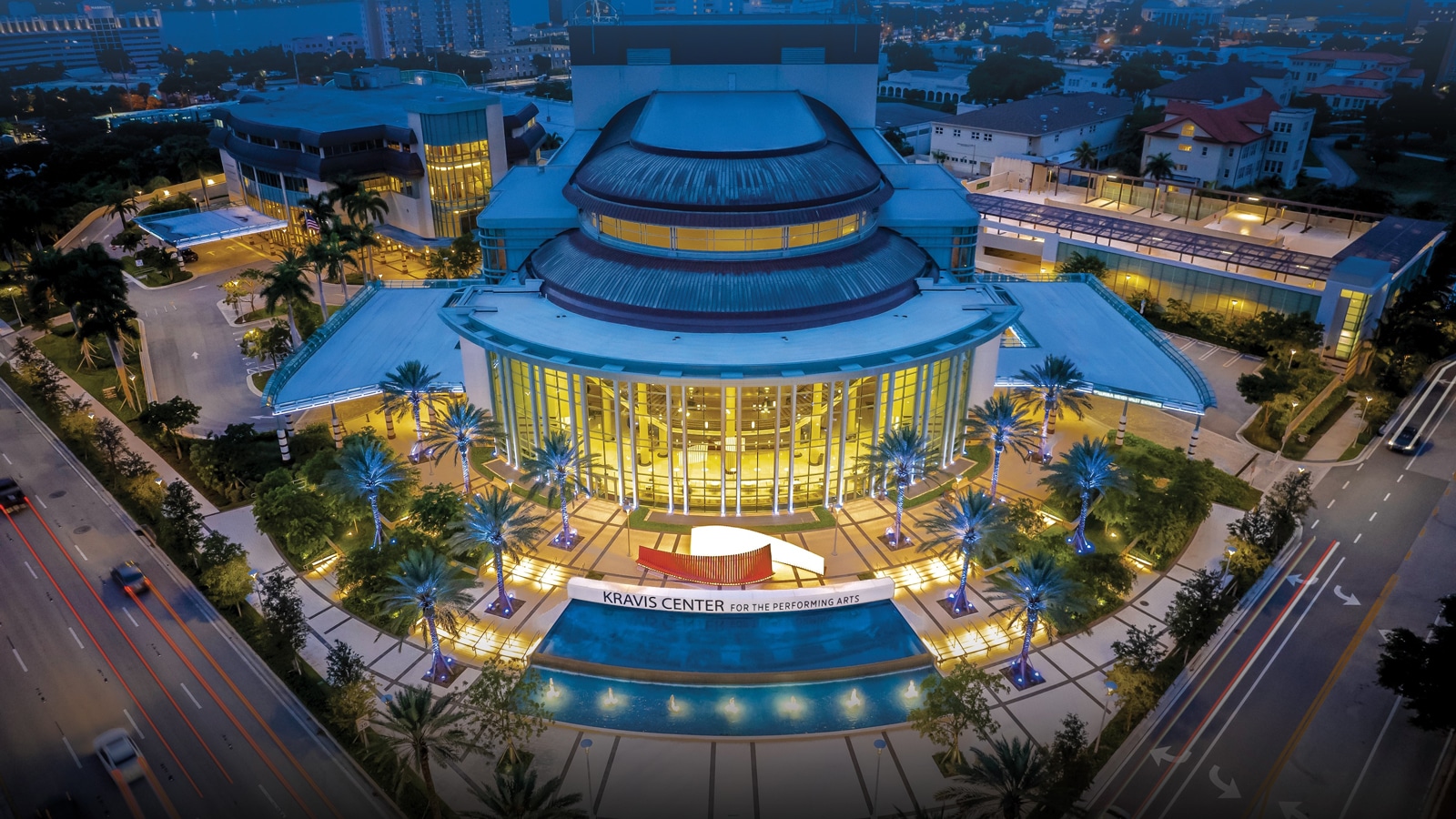
1800‑LFC, Galileo GALAXY 408, Nebra, Spacemap Go, TIGRA, ULTRA‑X40, ULTRA‑X80, ULTRA‑X82Dreyfoos Hall at the Raymond F. Kravis Center for the Performing Arts is the first venue to deploy Meyer Sound’s TIGRA line array and 1800‑LFC low-frequency control elements as a complete system, at the center of an ecosystem that spans the building, from Spacemap Go spatial audio capabilities in the main hall to connected sound reinforcement in public spaces. The upgrade succeeds a Meyer Sound MICA array that served the 2,195-seat hall for 18 years.
Designed with symphonic performance in mind, the largest stage on the nonprofit center’s West Palm Beach campus now presents Broadway, touring concerts, jazz, dance, and comedy, with amplified productions taking far more of the calendar than they once did.
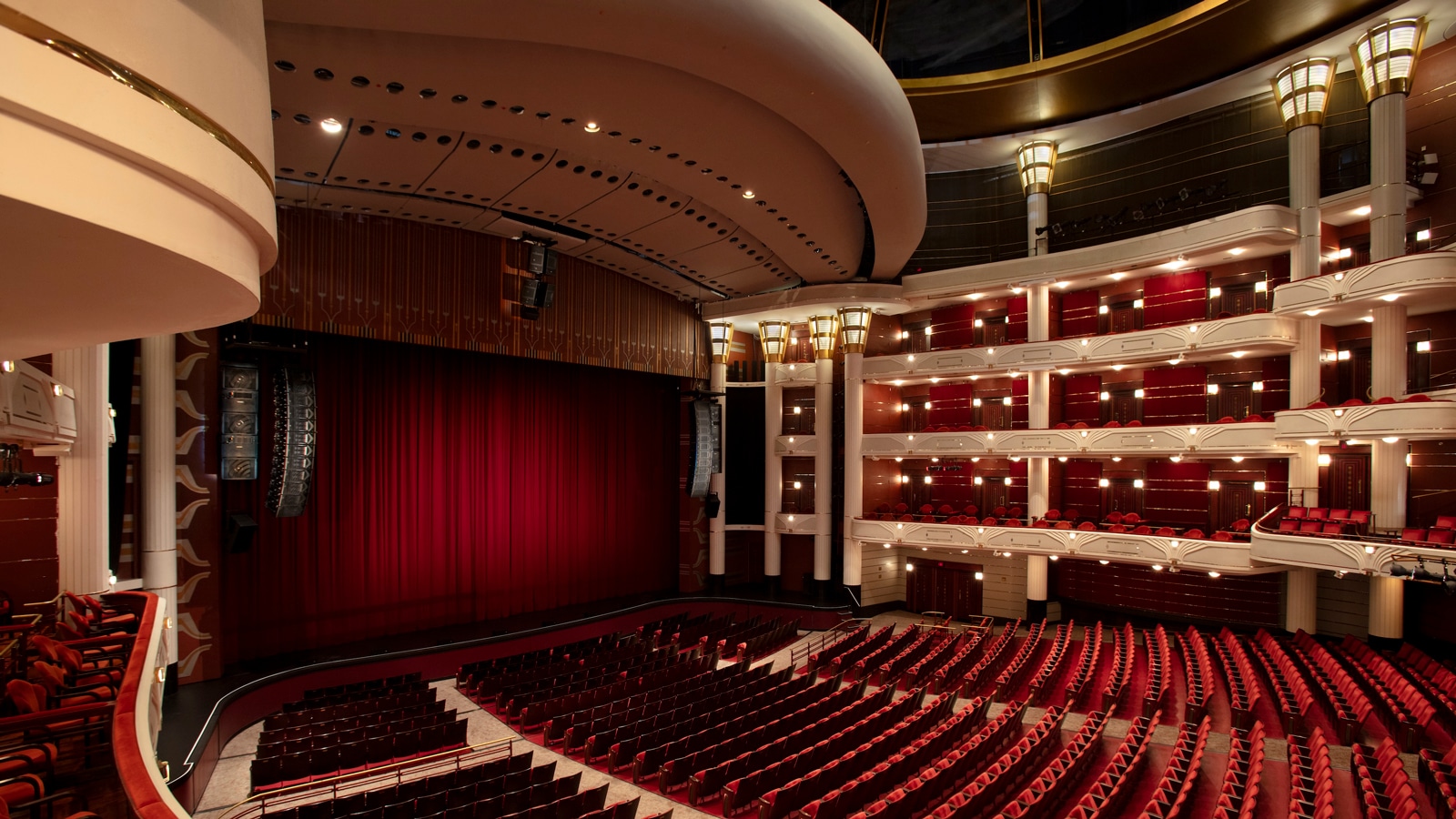
The hall’s variable acoustics added another consideration. Chris Pennington, the Kravis Center’s director of IT project management when the project started, initiated the upgrade and led it through planning, beginning years before any equipment was specified. Consultant Charcoalblue was engaged to assess the room’s acoustics before any loudspeaker was specified. “One of the theories was the arrays were so close to the forestage reflectors, the acoustic clouds, that we were getting some reflections off of that down into the orchestra that were detrimental to coherency,” says Charcoalblue Associate Director Nicholas Correa.
Before the upgrade, those artifacts were most audible in the upper reaches of the house. “It’s happened to me as a guest sitting in the audience,” says Matthew Wilt, the Kravis Center’s director of production. “I’ve completely lost the dialogue of an actor and thought, where did the voice go?”
Solving that problem meant rethinking how the room was covered.
Aiming Energy Evenly Throughout the House
TIGRA entered the conversation late in the process, still unnamed and not yet announced. The line array offered the output Dreyfoos Hall required in a package sized for the room.
The decision rested largely on trust. The venue had been a Meyer Sound house since 2008. “Based on Meyer Sound’s track record and our experience working with them on products under development, we didn’t necessarily need to hear it before we could see it on the project,” says Correa.
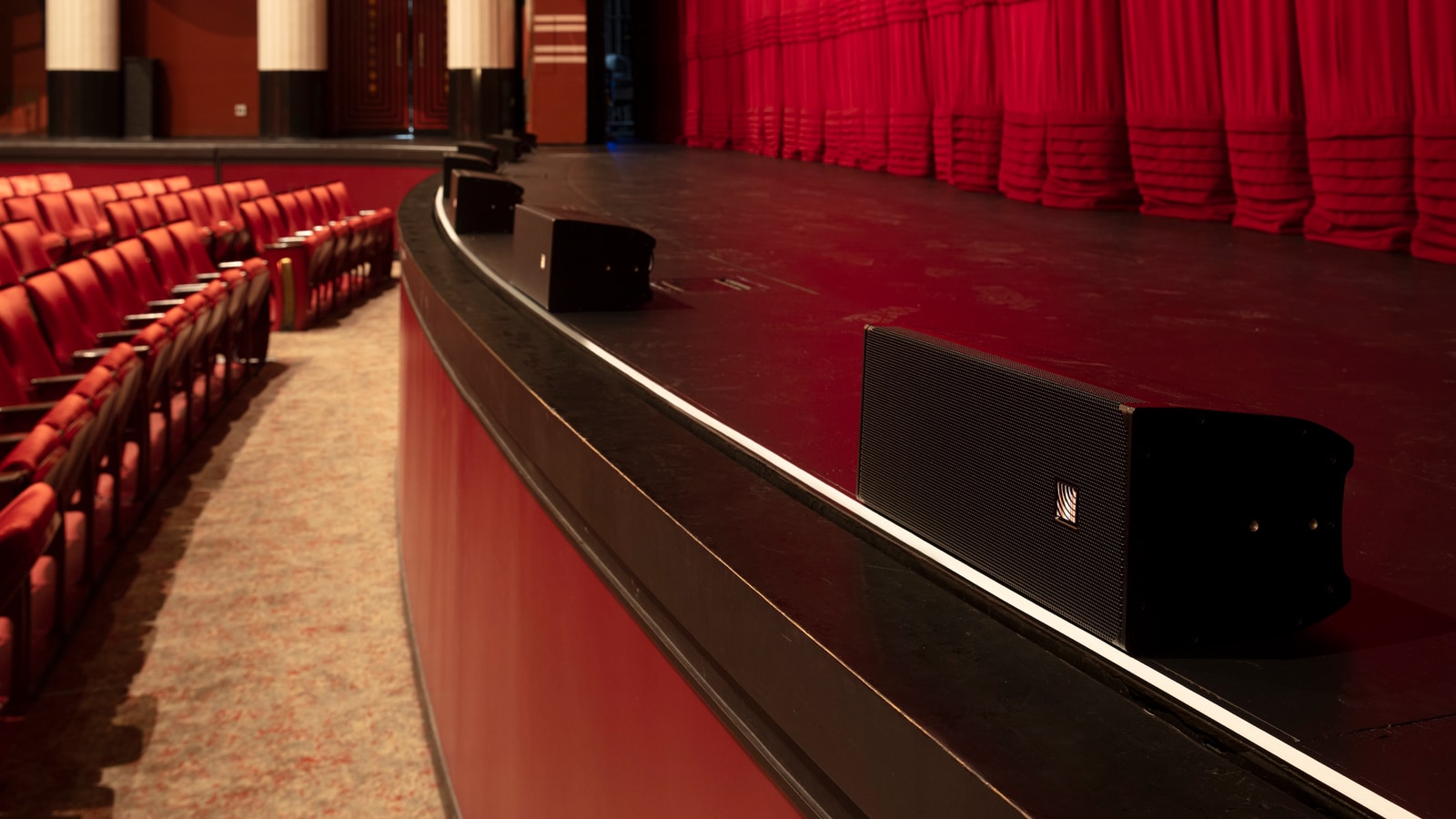
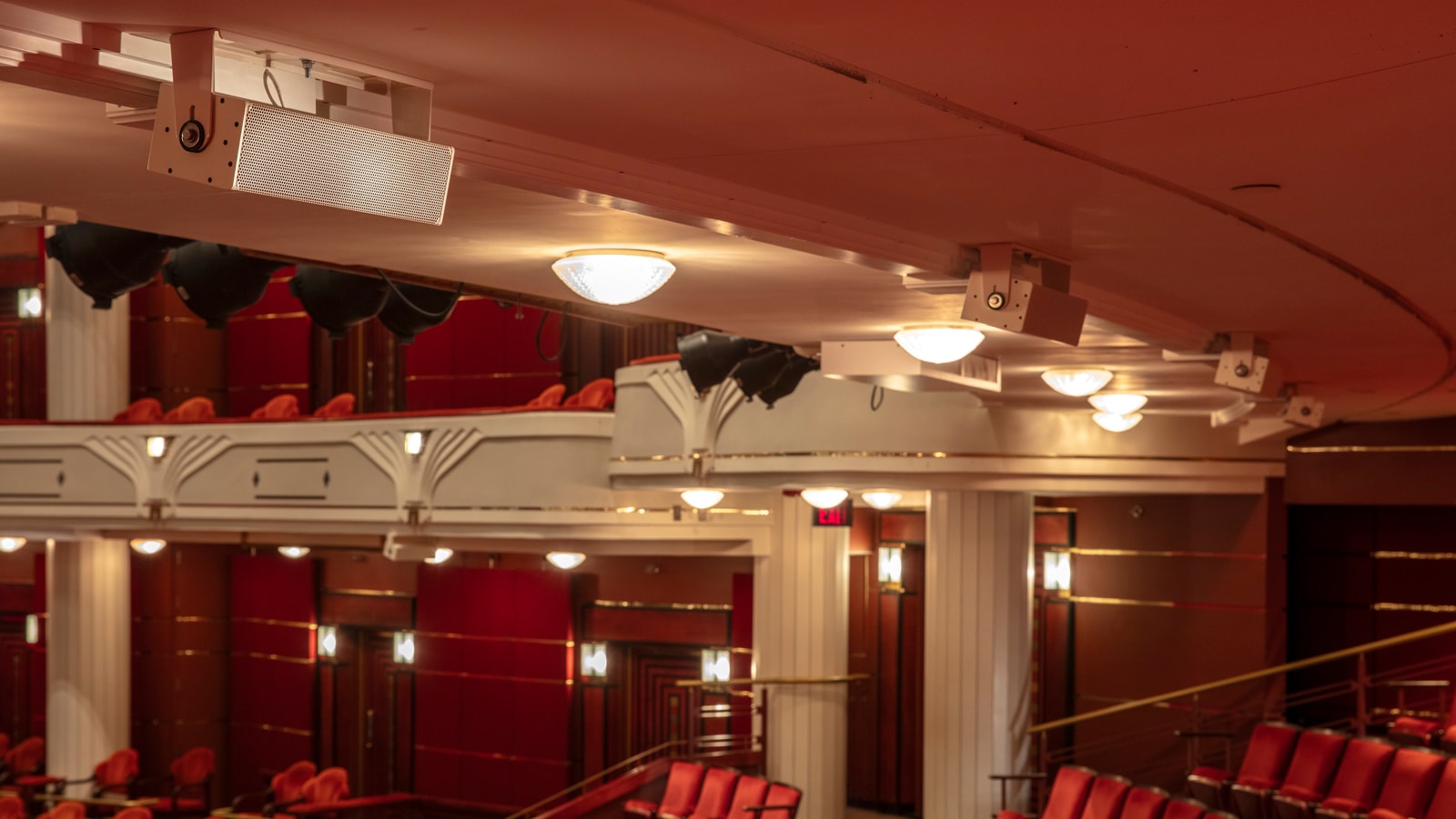
The design flies the main arrays lower and throws less energy upward, keeping sound away from the reflectors. The mains are hung left-center-right, with left-right arrays of twelve TIGRA loudspeakers flanking a center cluster comprising four ULTRA‑X82 point source loudspeakers and one ULTRA‑X40 down fill. Rather than reaching to the back of the balcony, the LCR configuration covers the first few rows, which keeps the image at the stage. Three ULTRA-X40 point source loudspeakers fill the middle of the balcony, with expanded delays covering the last two rows. Ten 1800-LFC low-frequency control elements flown in gradient arrays handle the low end. ULTRA‑X80 down fills are mounted under the subwoofer arrays. Loudspeakers in several positions were finished in a custom color matched to the room.
Redundant Network Adds Resilience and Reach
TIGRA features GEN‑1 technology, which brings processing and control onboard the loudspeaker. The entire system runs on a fully redundant Milan AVB network, with two Ethernet feeds to every loudspeaker and full control and monitoring through Meyer Sound’s Nebra system management software. Redundancy on that scale is uncommon in a permanent installation, and it gives the venue a robust infrastructure it can build on as its programming evolves.
Two Galileo GALAXY 408 Network Platforms anchor system processing and processing for Spacemap Go spatial audio. Front of house mixes on an Avid S6L 32D console with dual AVB cards.
Fifteen Weeks Inside a Working Hall
The building needed new structural steel before a single loudspeaker could go up. Integrator Pro Audio Video Lighting (Pro AVL) deployed the system, including rigging and network design. Executive Chairman Rod Sintow, who installed the hall’s MICA system in 2008, returned to lead the upgrade. The project ran about two years from planning through completion, with a 15-week build scheduled around a full performance calendar.
Shawn Risberg led the engineering for Pro AVL, with Pro AVL Project Lead Jason Allen managing the install. Meyer Sound Director of System Optimization Bob McCarthy led the system design, coordinating with Charcoalblue and the Kravis Center production team throughout the process.
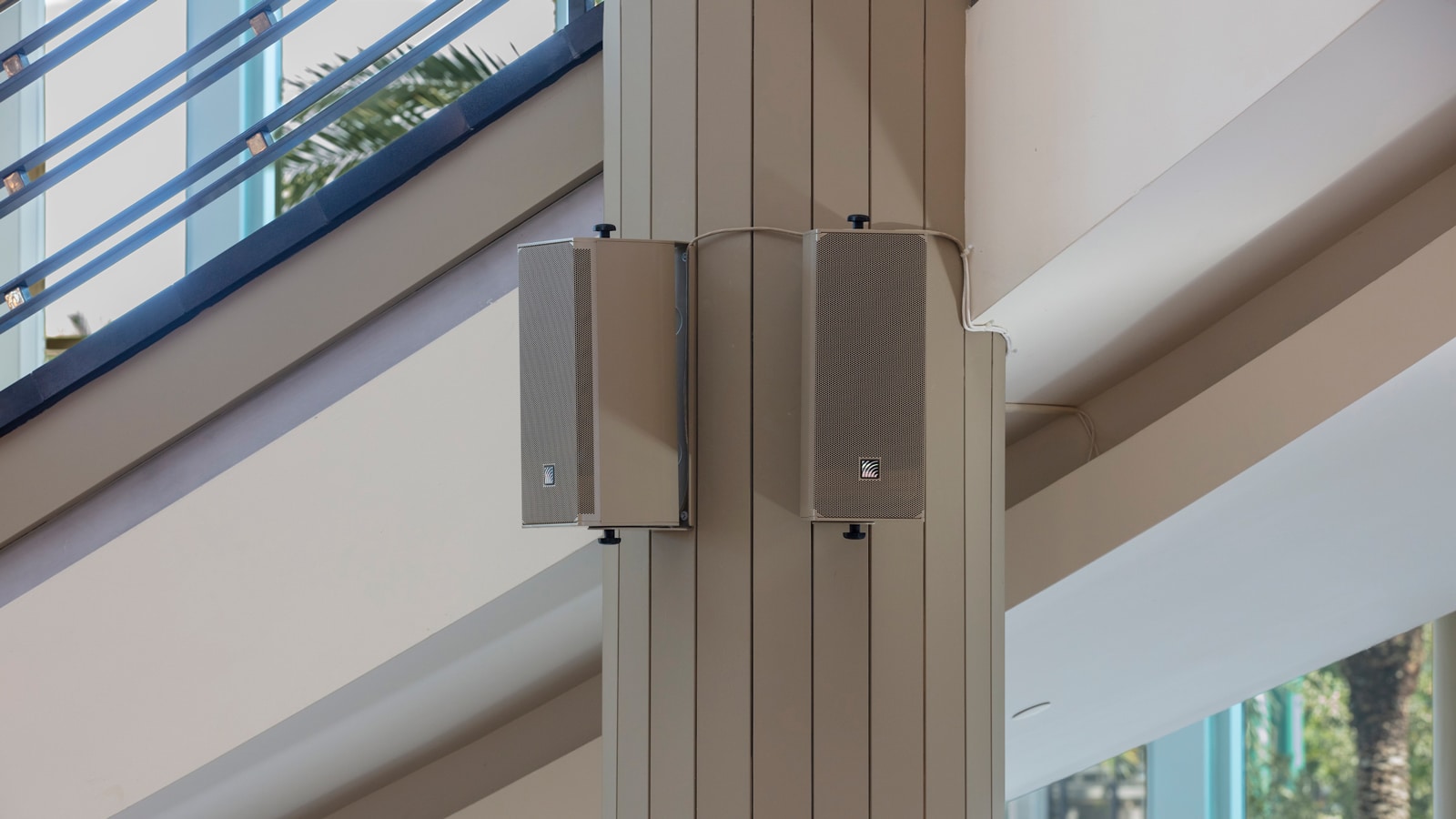
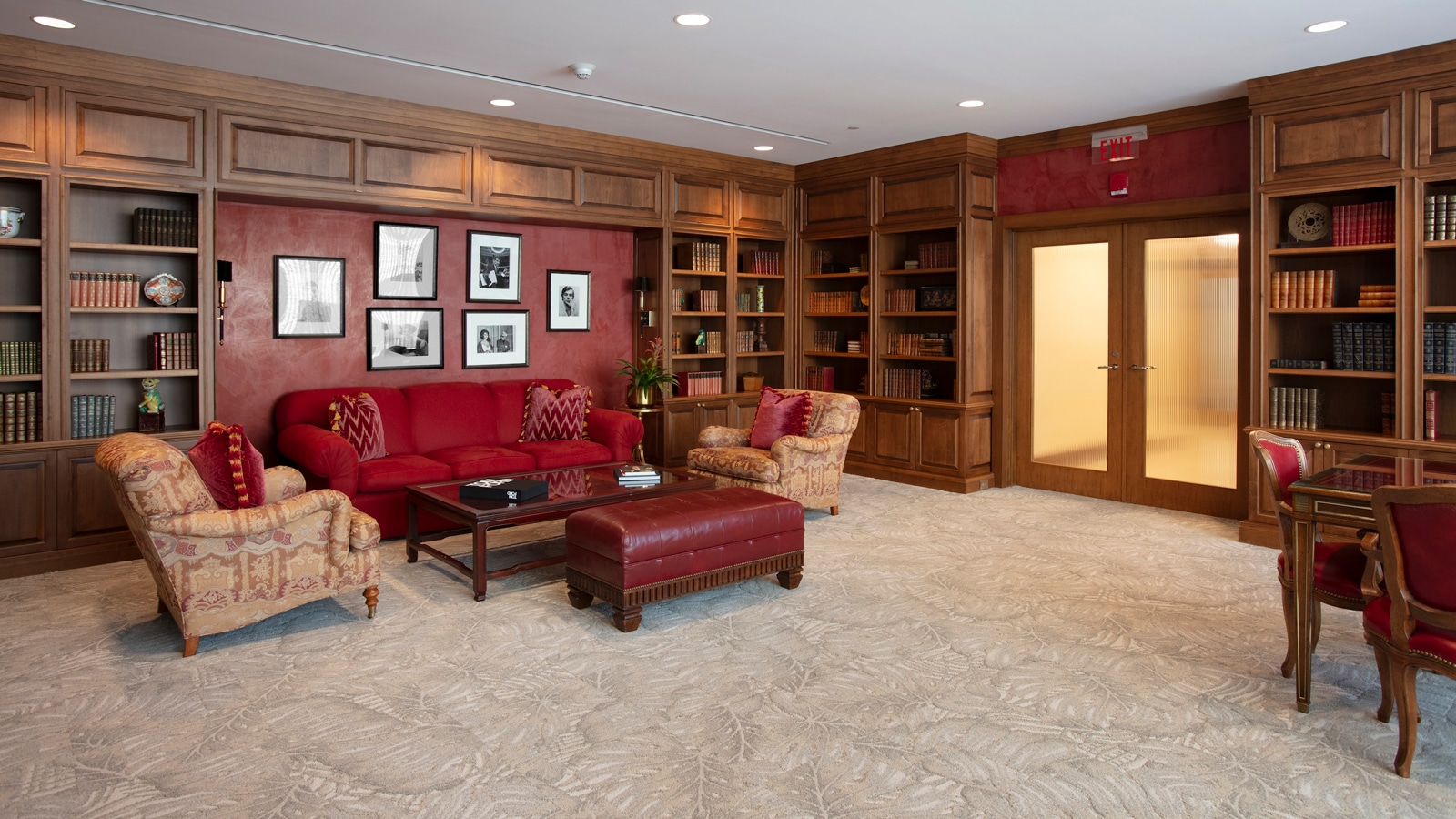
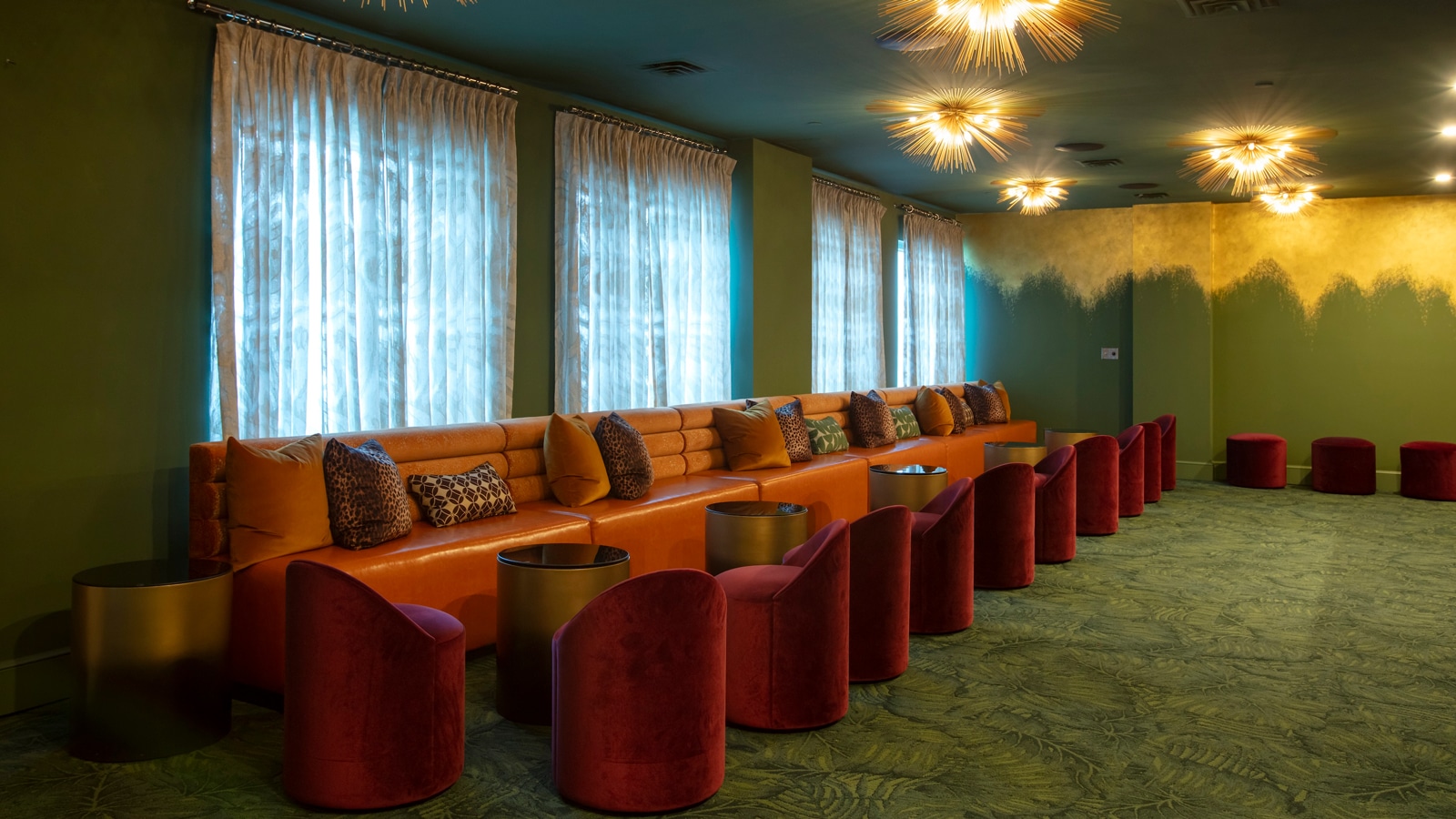
Beyond the hall, new Meyer Sound loudspeaker systems extend into the building’s public areas. A permanent system on the grand stair supports events and lobby talks, and loudspeakers along the adjoining window wall are zoned into three sections so simultaneous events don’t interfere. Meyer Sound loudspeakers also serve the Windsor Room, Carl & Ruth Shapiro Founders Room, and third- and fourth-floor alcoves.
Looking Past Opening Night
The real test comes with the season now underway. “We have a lot of people who subscribe to our Broadway series,” says Wilt. “This is about improving their experience and appealing to newer audiences.”
“Chris Pennington sadly passed away in August, so the team here is honored to carry the torch by delivering on his vision for this state-of-the-art upgrade,” says Wilt. “Artists and audiences alike will experience his legacy for years to come.” A plaque in Pennington’s memory sits on a seat in the front row of Dreyfoos Hall.